Rotary Youth Exchange


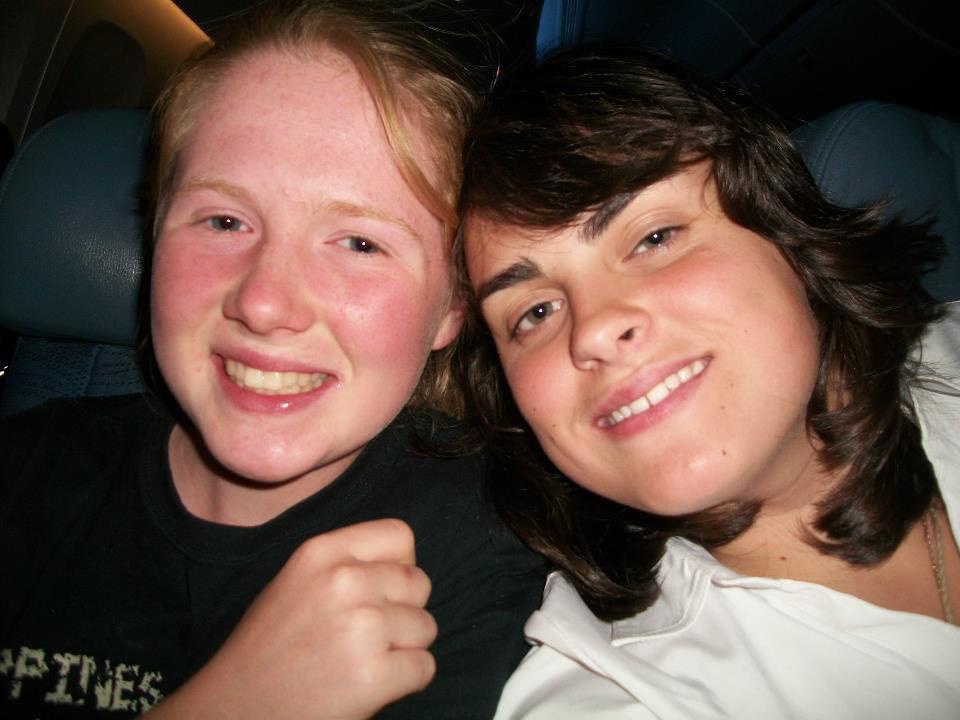

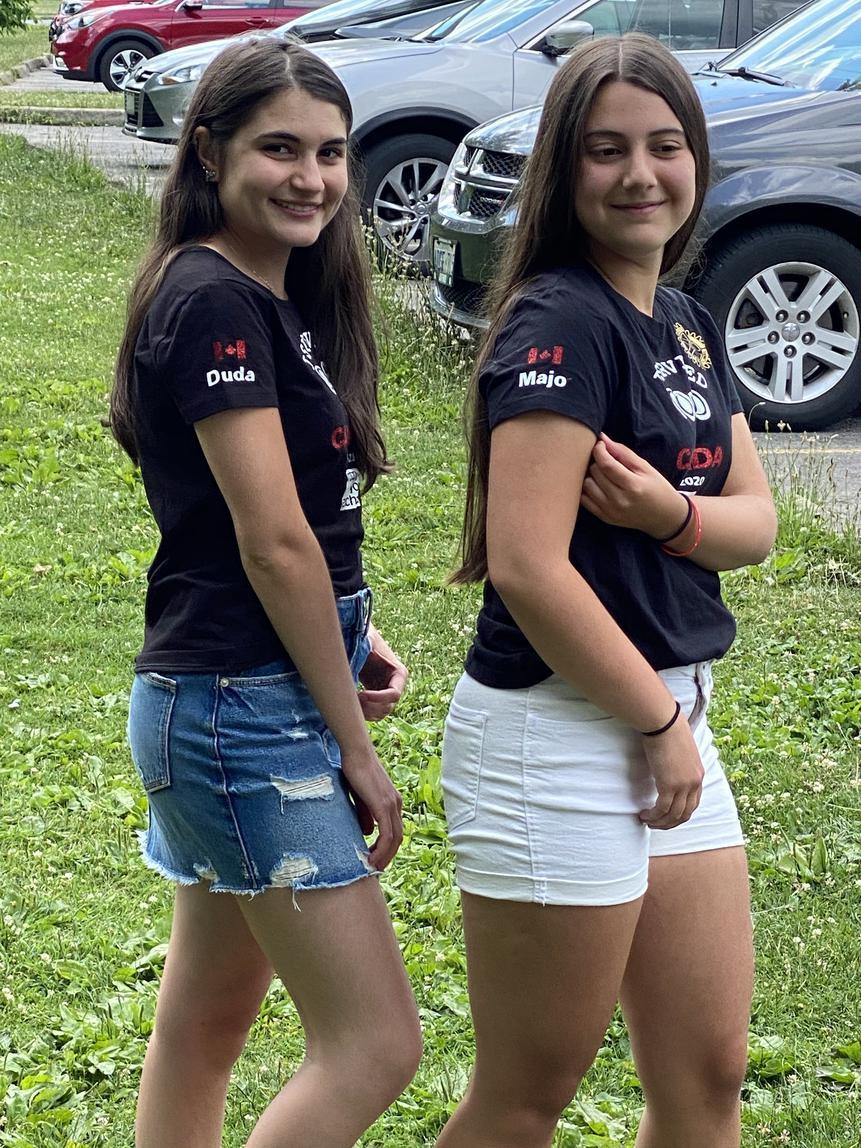
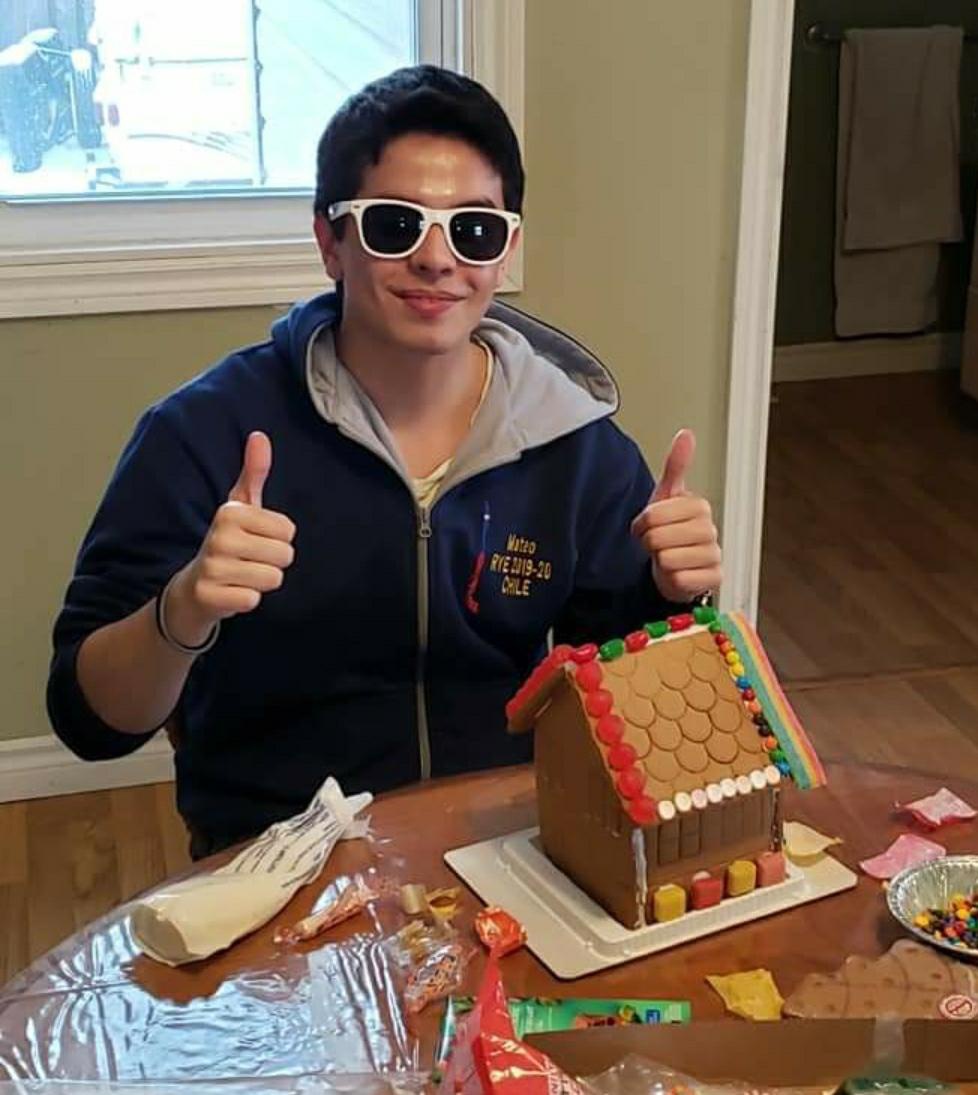
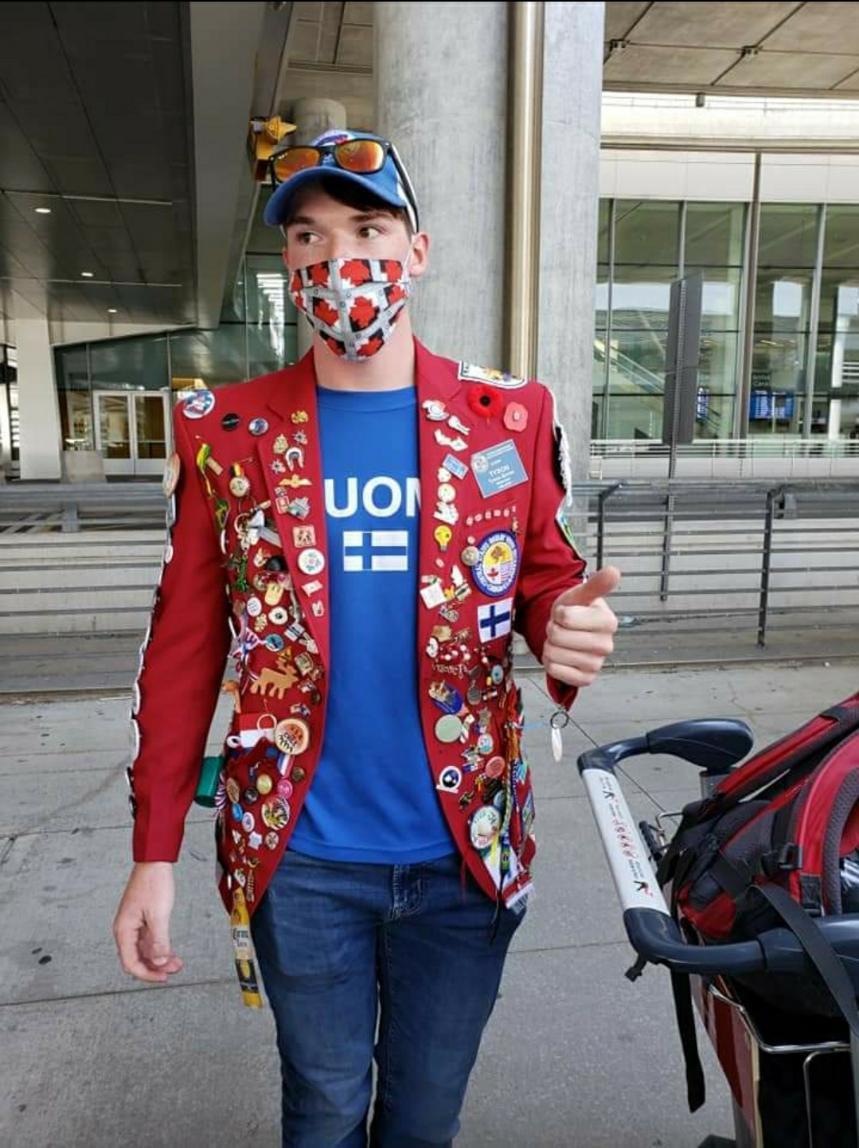

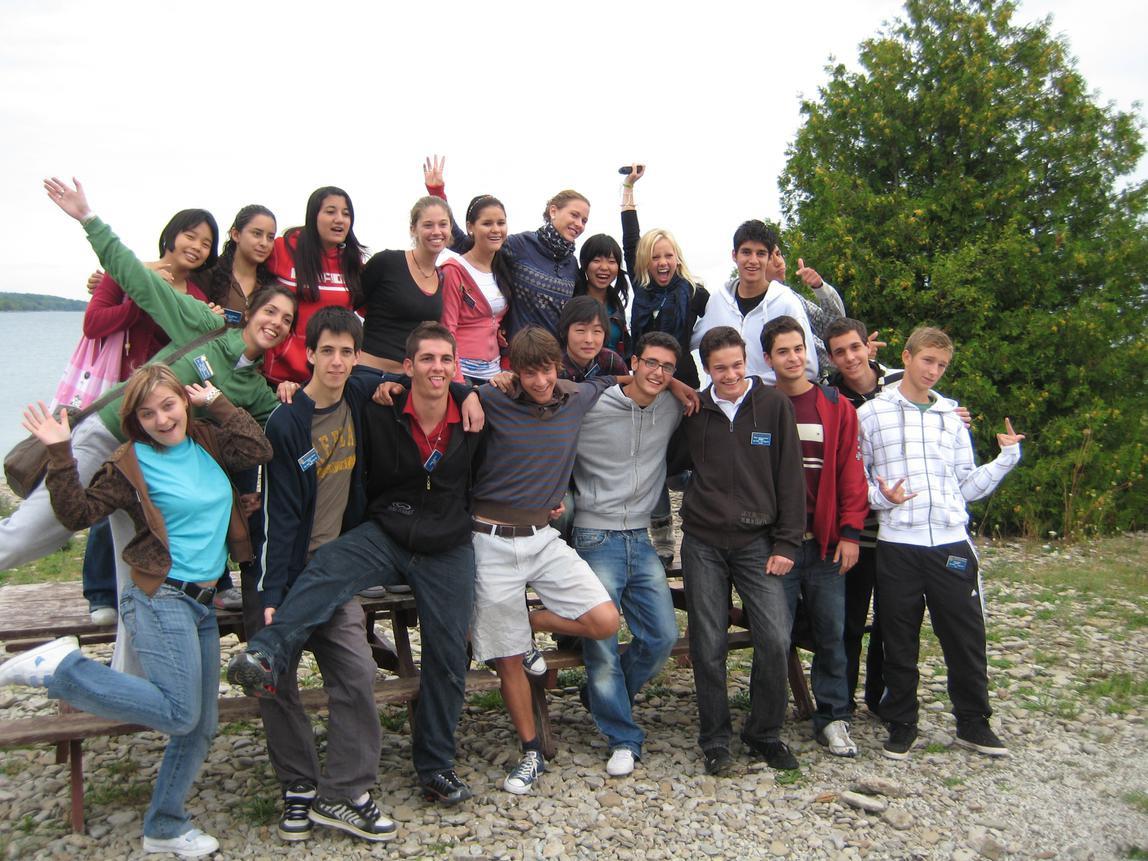
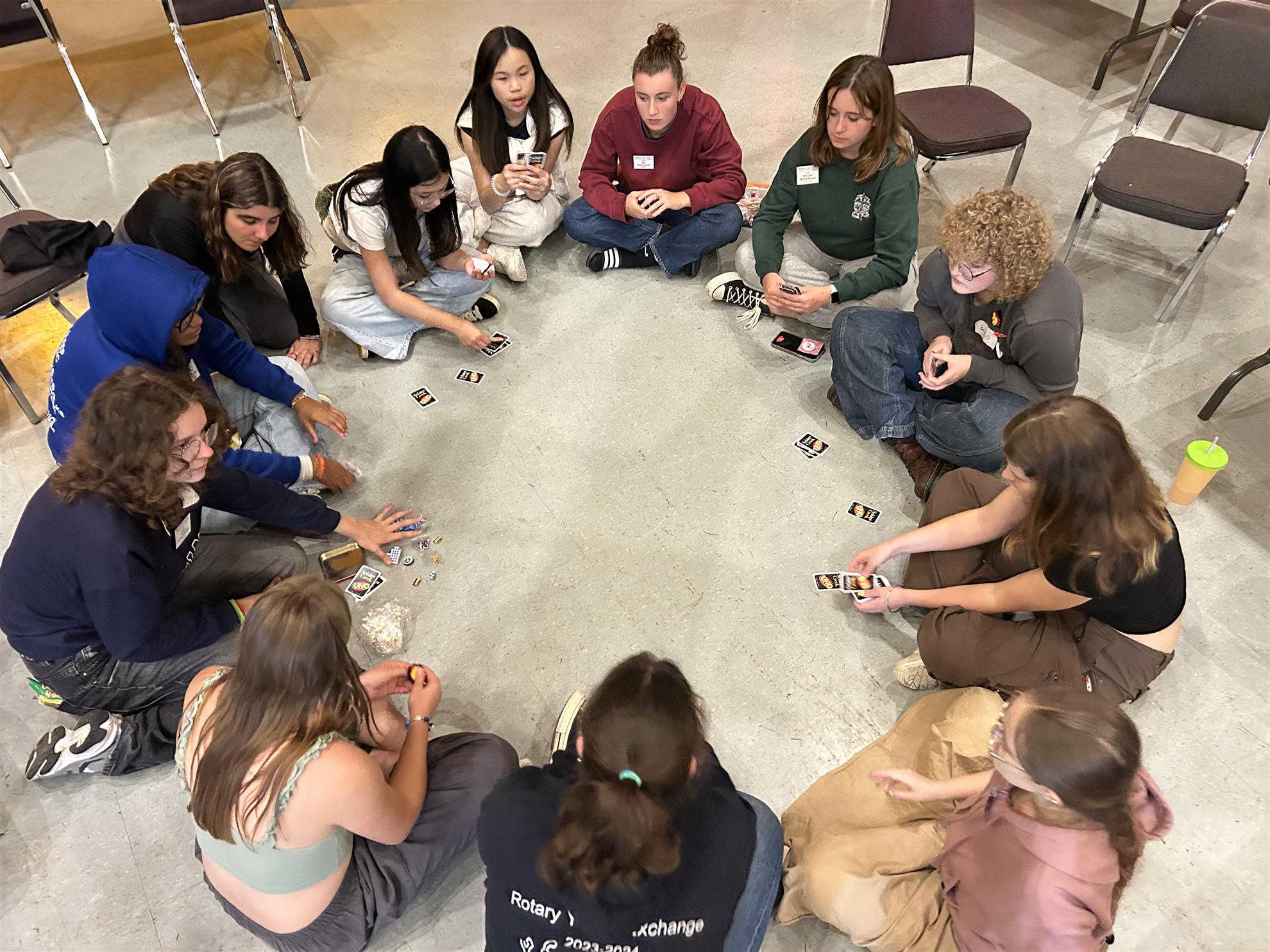
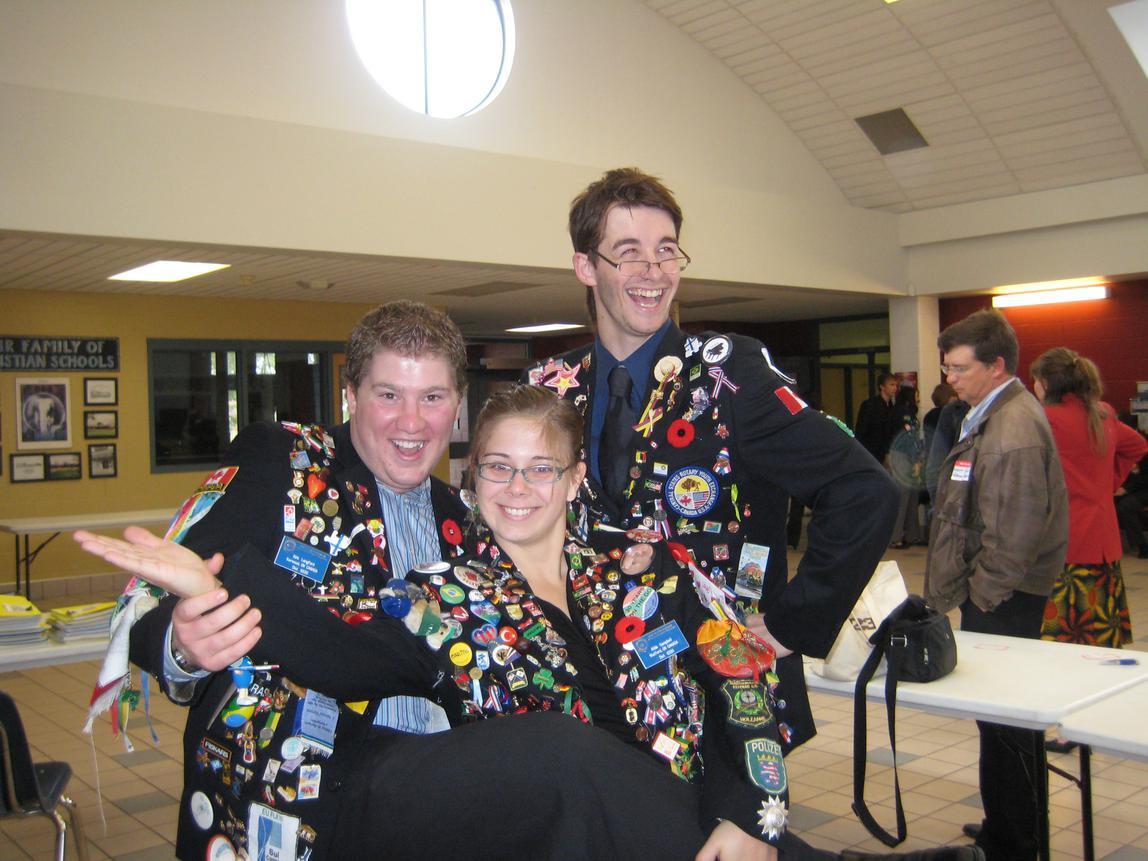
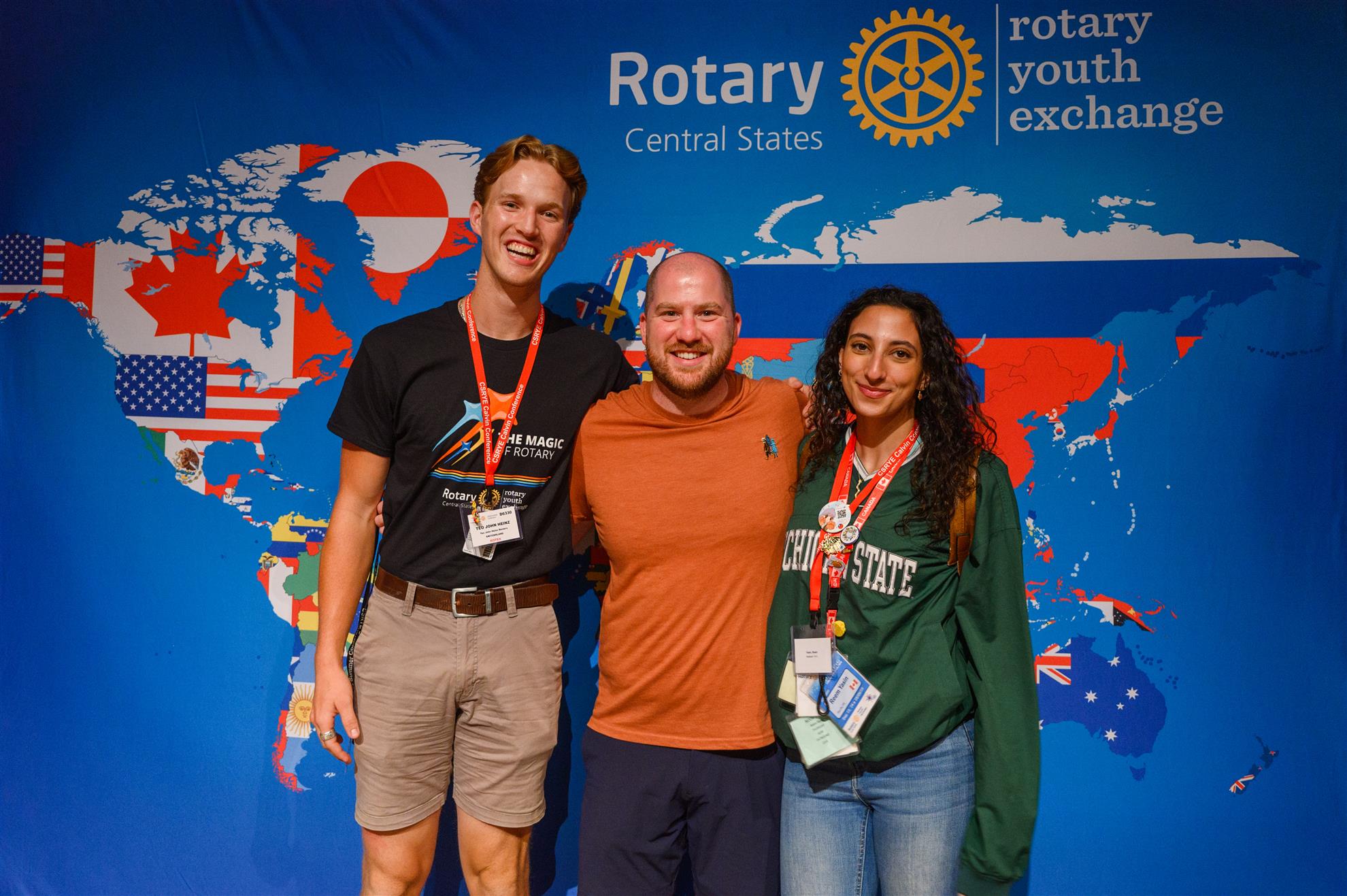
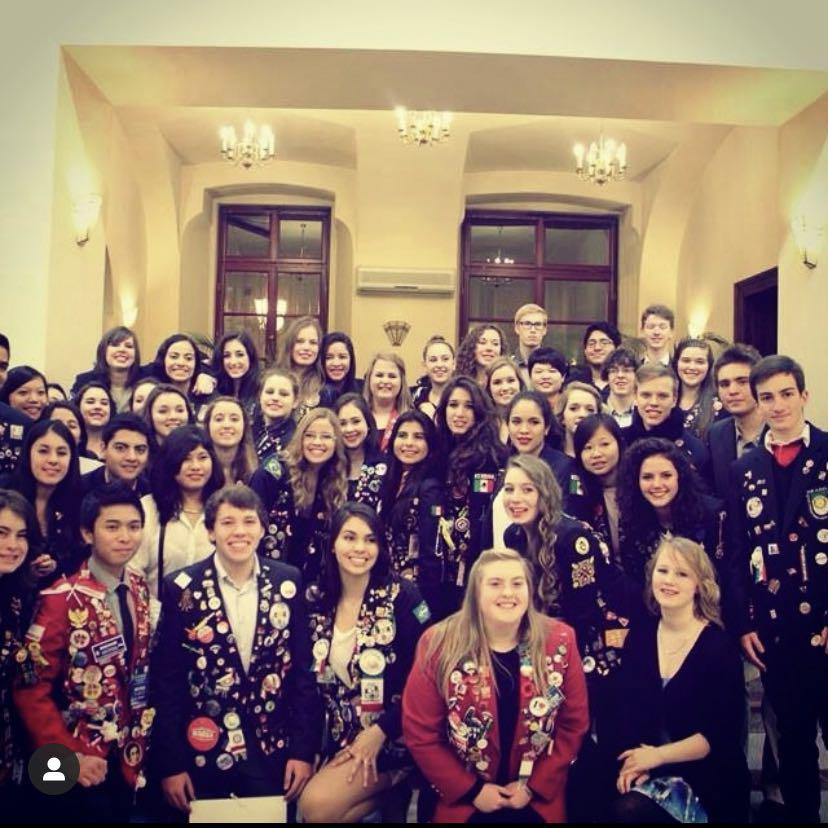
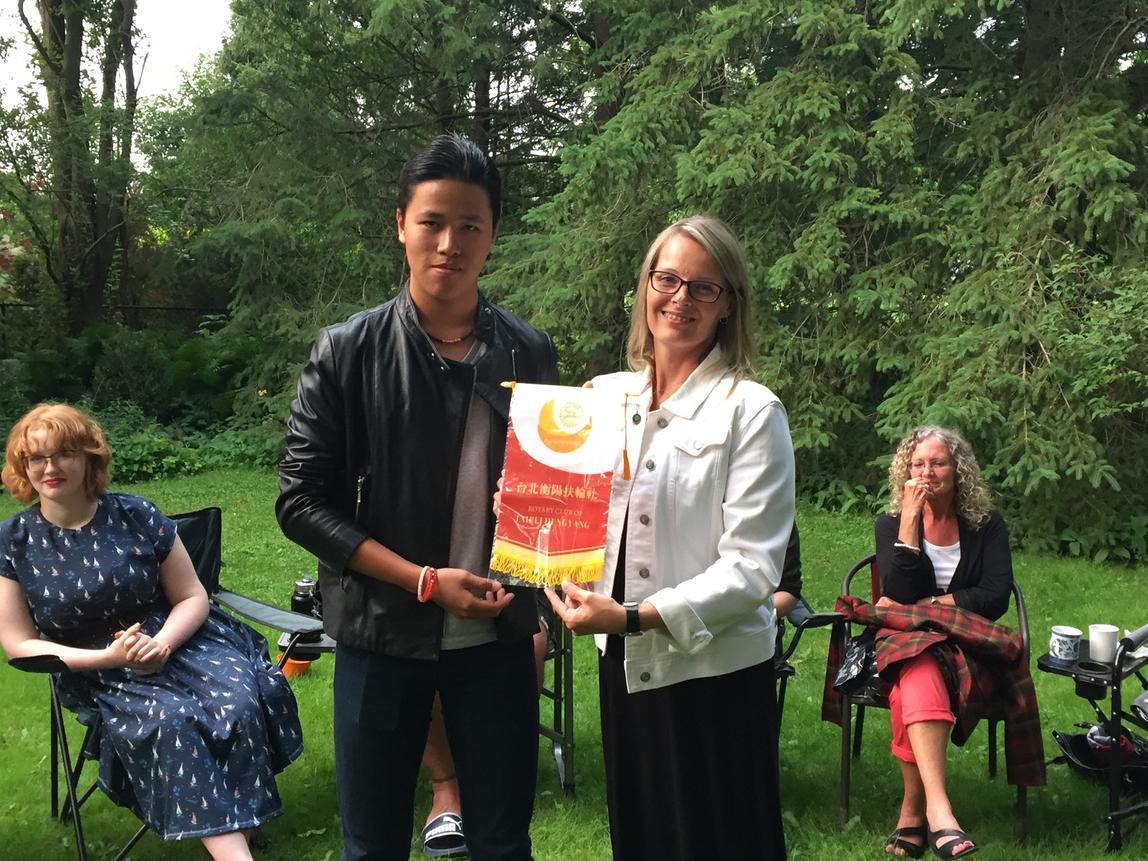

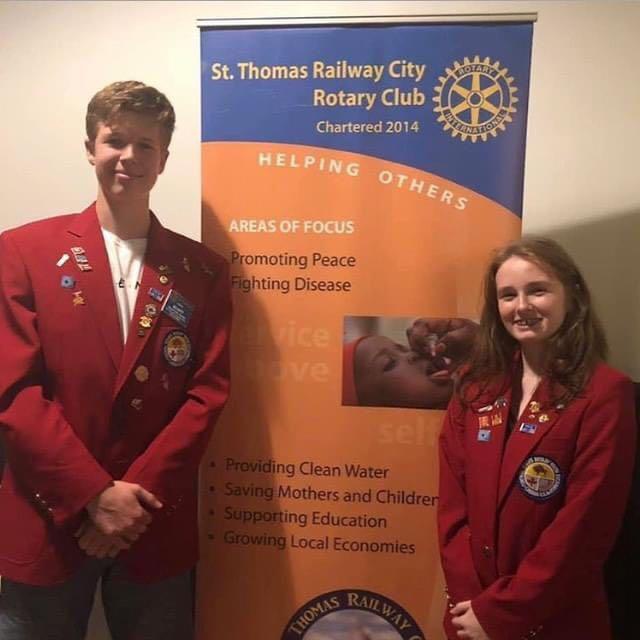
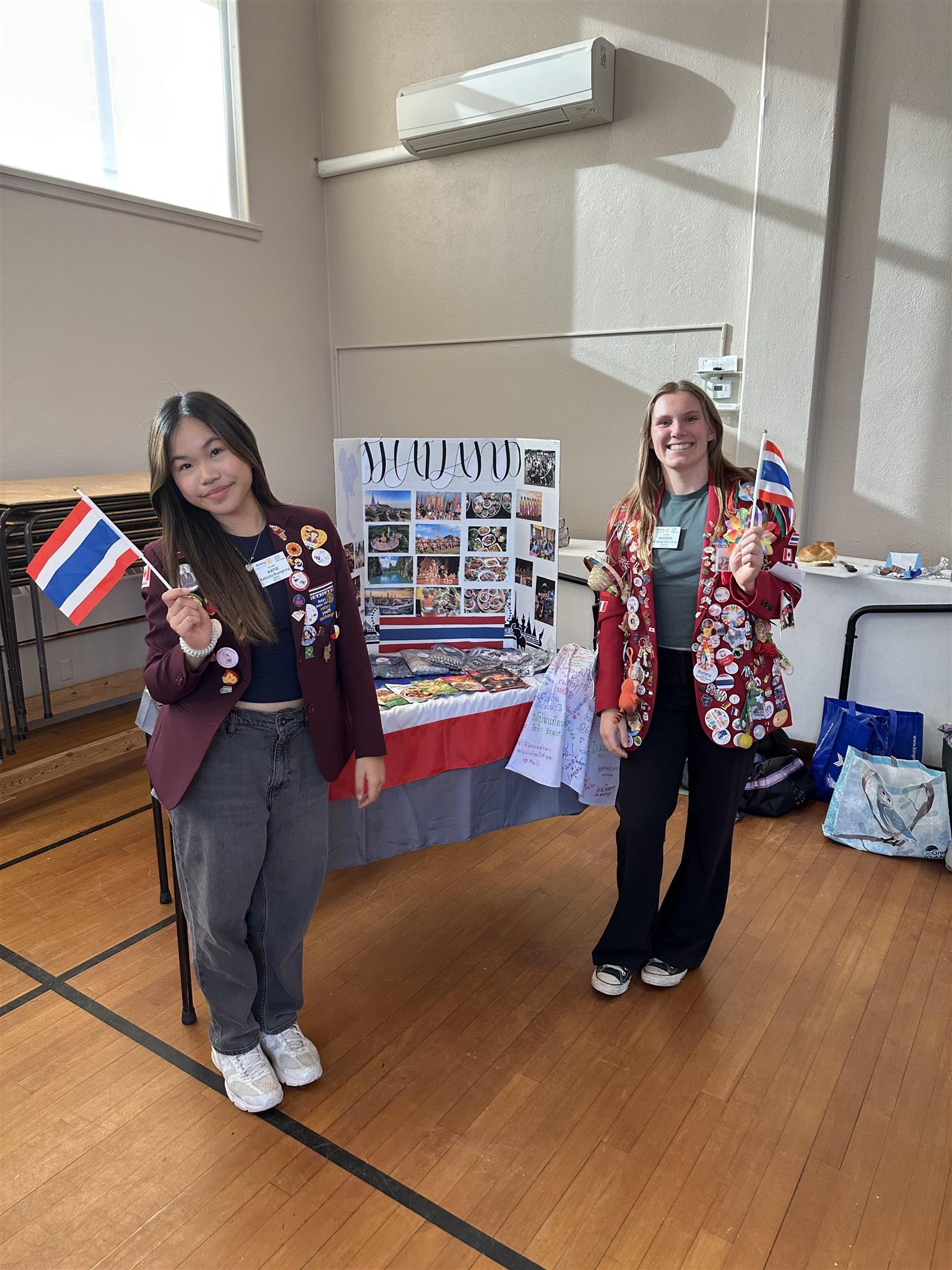
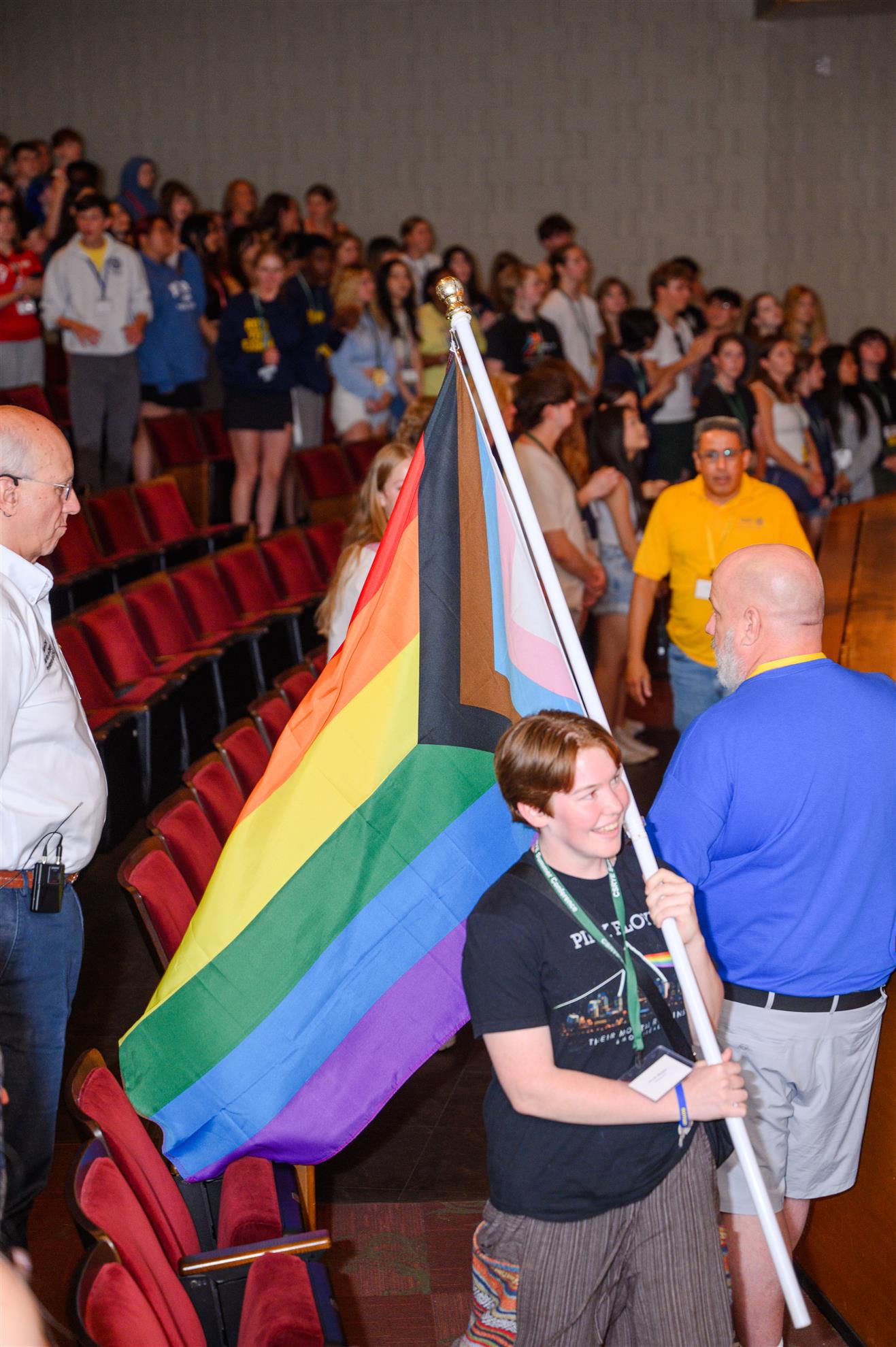
Now recruiting exchange students for the 2027-2028 school year!
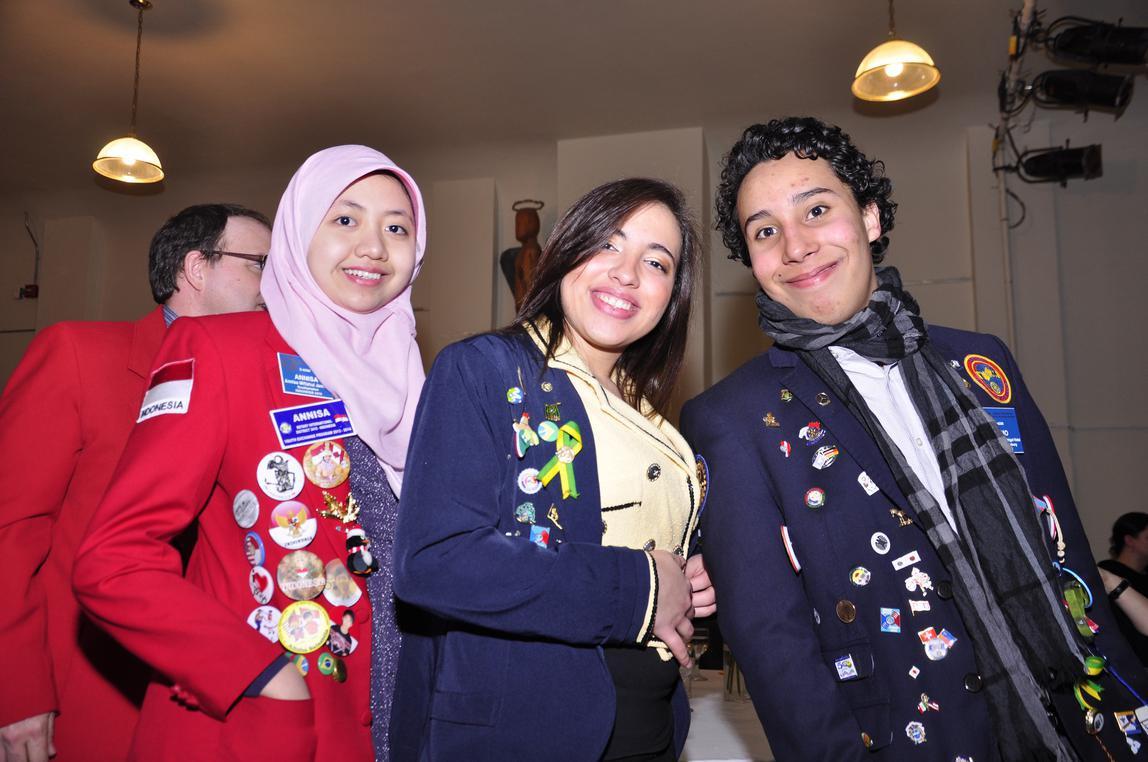
BUILDING PEACE, ONE YOUNG PERSON AT A TIME
- Develop lifelong leadership skills
- Learn a new language and culture
- Build lasting friendships with young people from around the world
- Become a global citizen
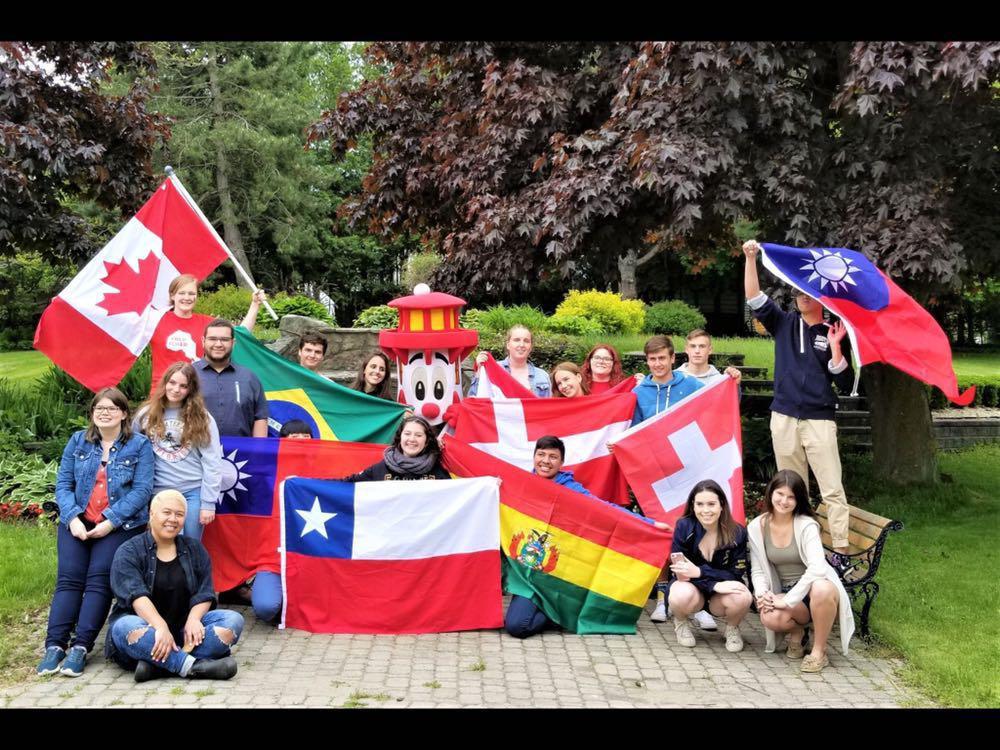
STUDENTS: INTERESTED IN GOING ON A ROTARY YOUTH EXCHANGE?
- Talk to your parents/guardians and get their approval and support.
- Click the button below to complete your Preliminary Application.
- Connect with your local Rotary Club, if you haven't already.
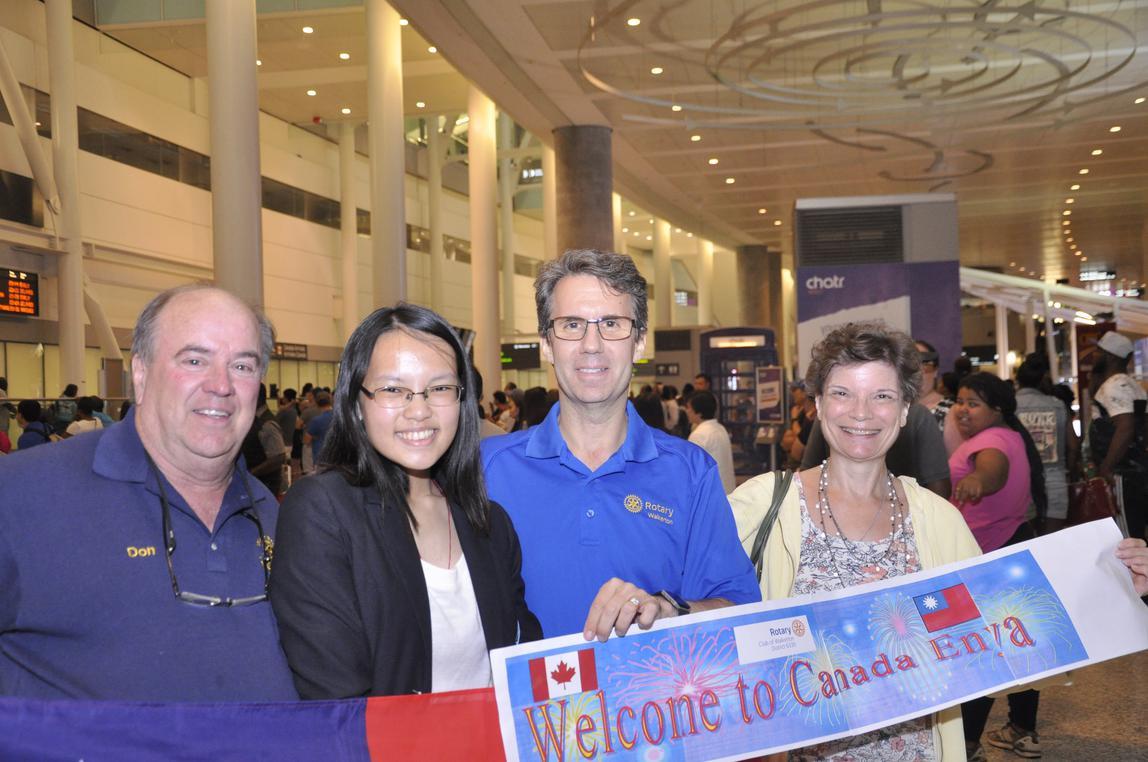
ROTARY CLUBS OR ROTARIANS
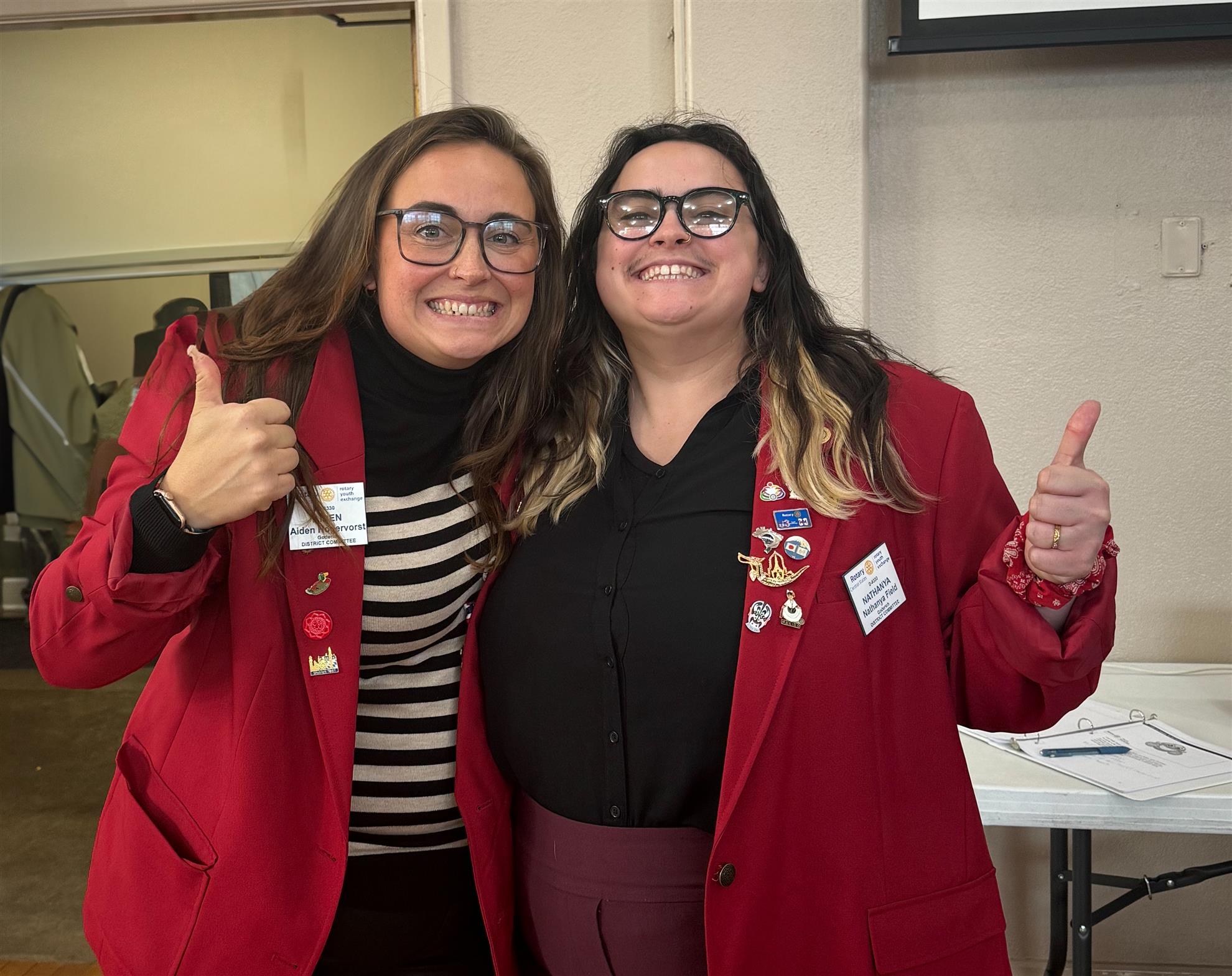
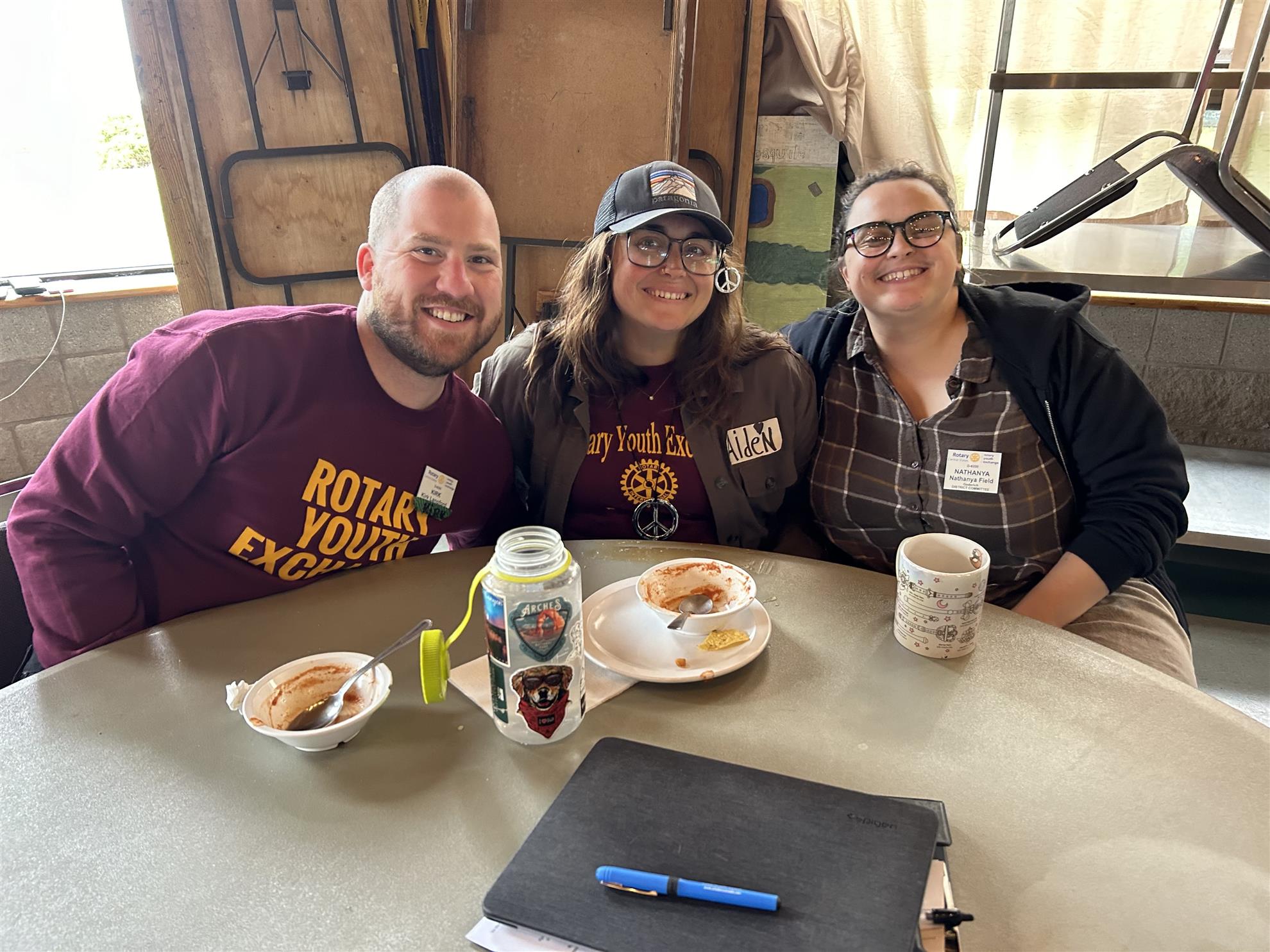
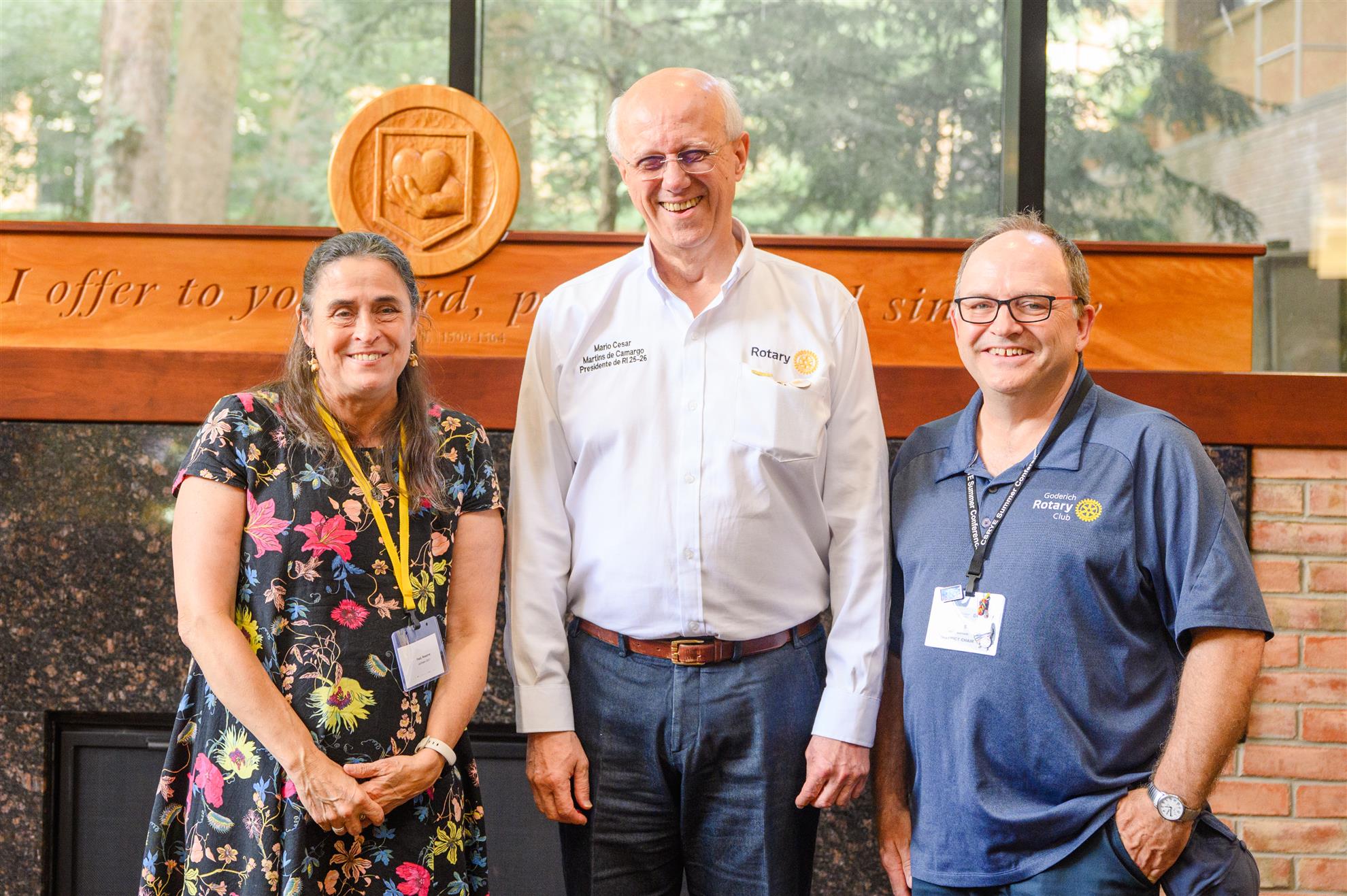
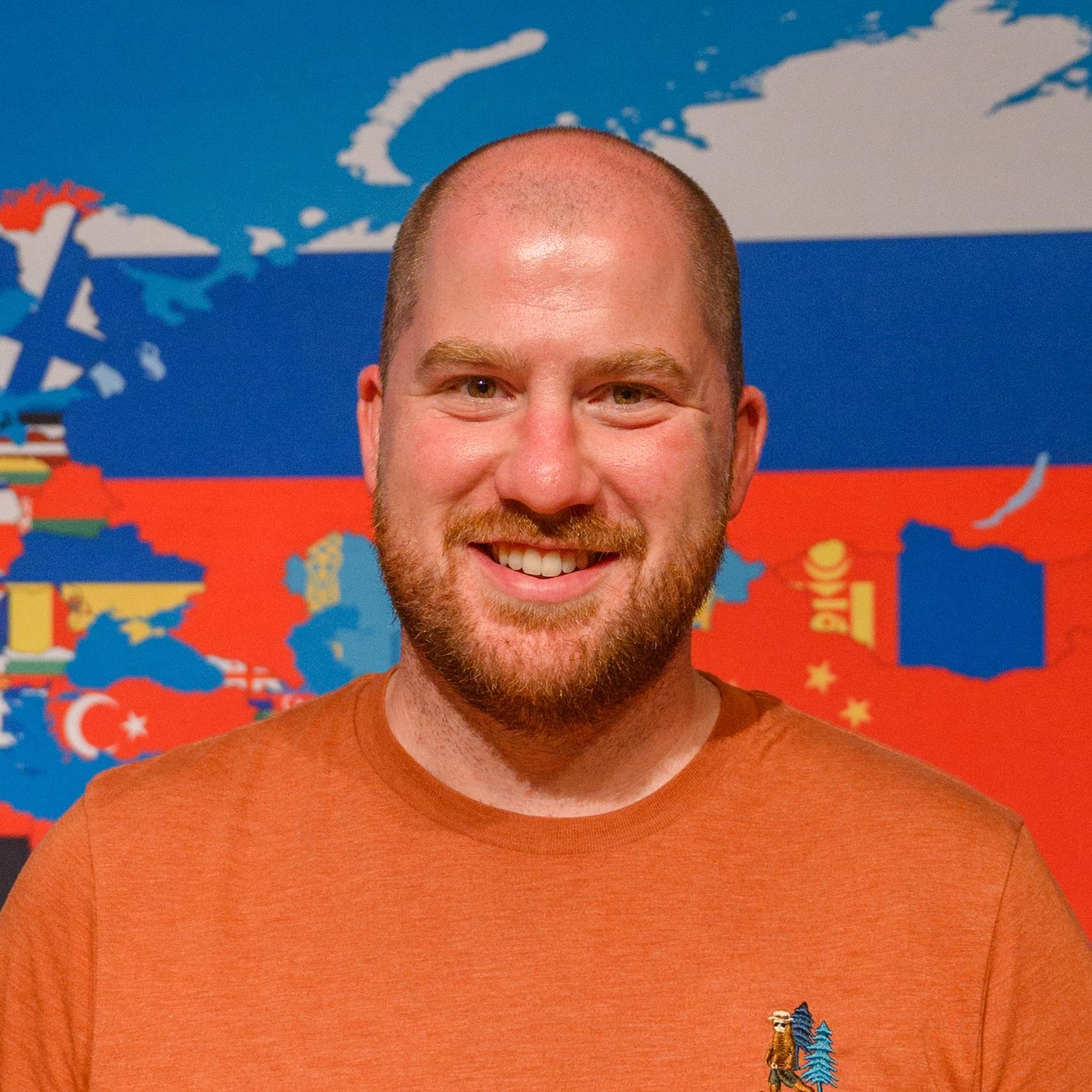
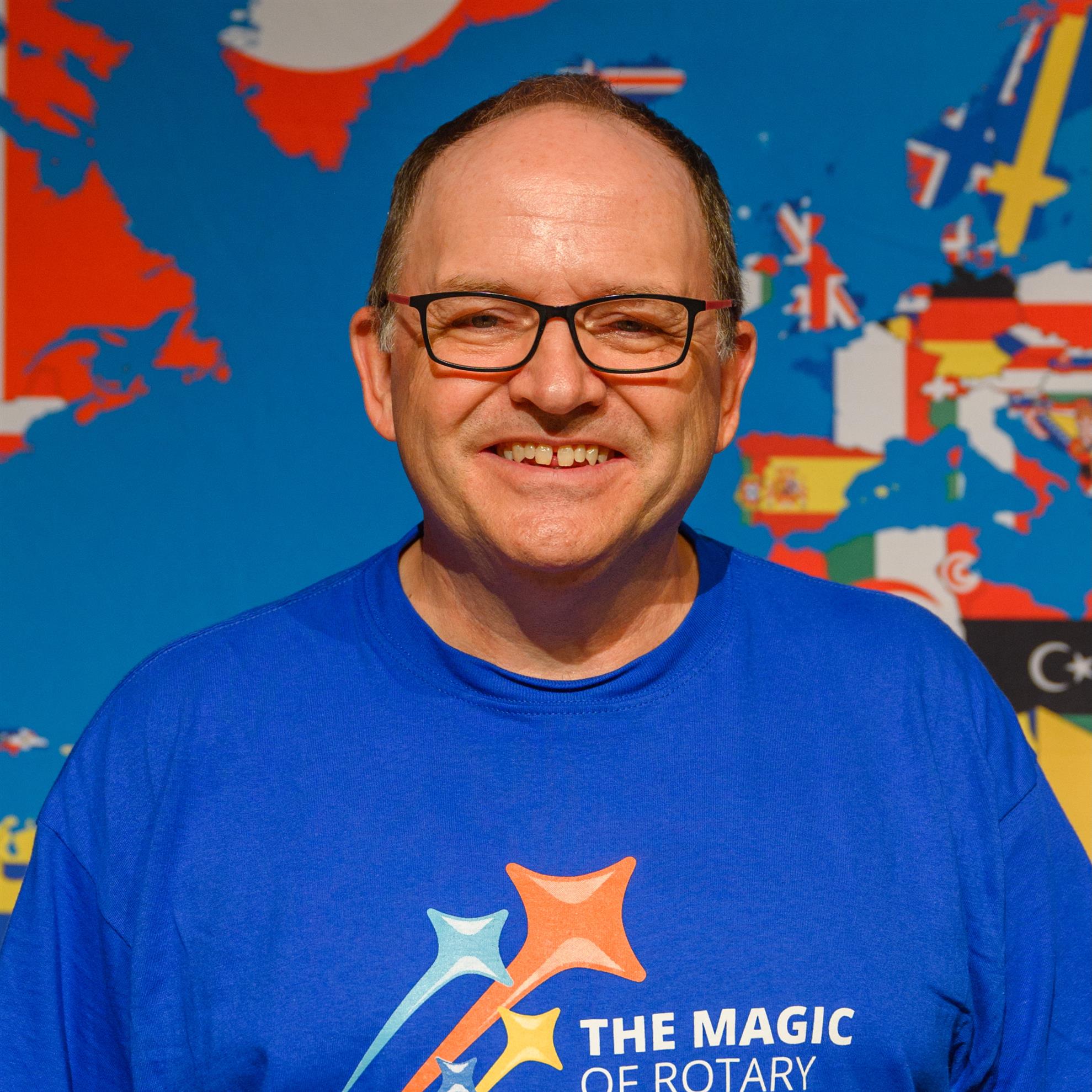
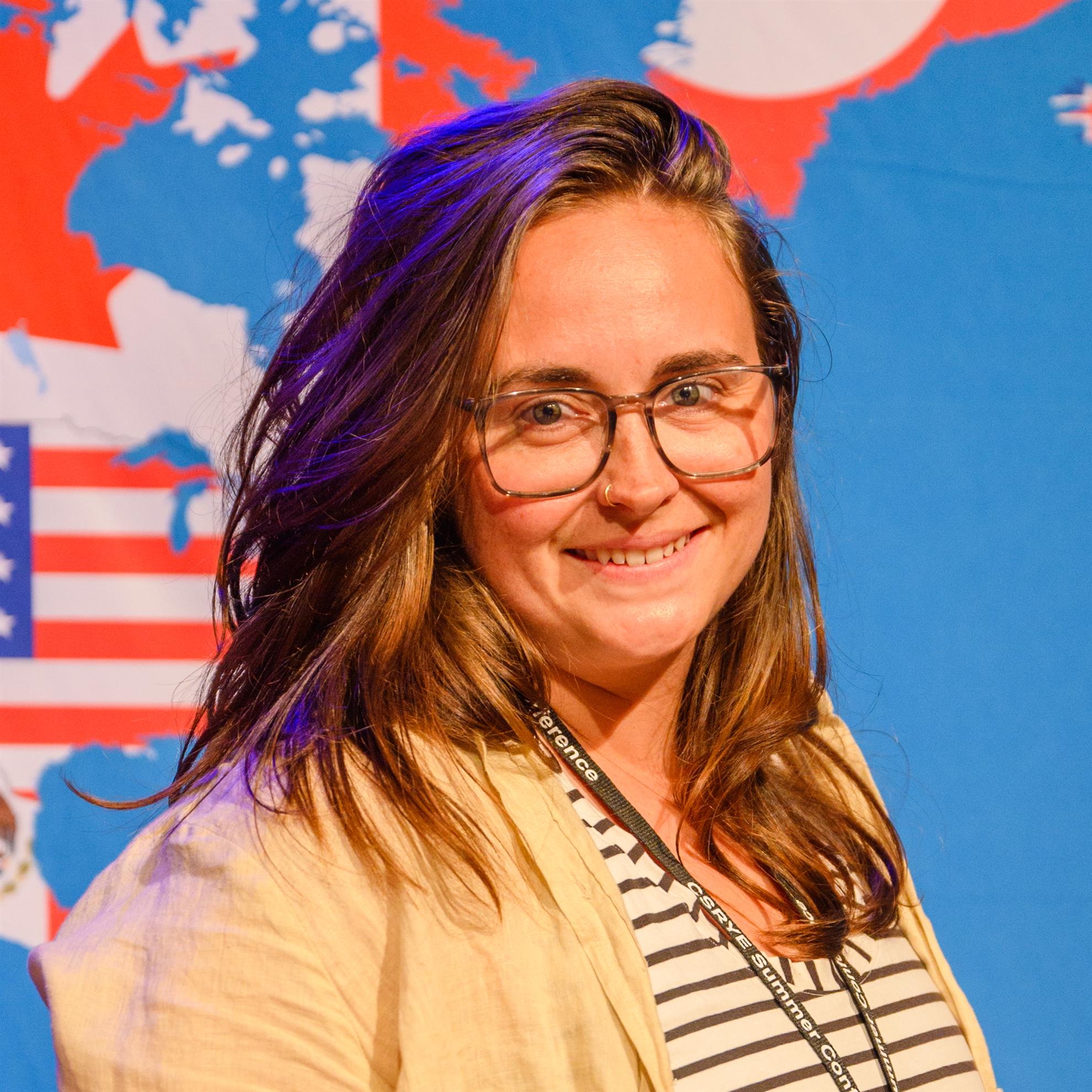
MEET THE DISTRICT 6330 ROTARY YOUTH EXCHANGE COMMITTEE!



FREQUENTLY ASKED QUESTIONS FOR PROSPECTIVE EXCHANGE STUDENTS & FAMILIES
High school students of good character, warm personality, and average to above-average academic performance. Candidates should be adaptable and flexible, well-mannered, and want to learn about other countries and cultures. Children of Rotarians and non-Rotarians are eligible and encouraged to apply.
The Rotary International Exchange Program is volunteer-driven. It is organized and administered by volunteer Rotarians and their families throughout the world within the local Rotary club, the district, and regionally. Rotary volunteers screen student applicants, select the exchange students, prepare them, and arrange hosting abroad, travel, insurance, school admission, visas, etc. All of this is done by Rotarians as an unpaid service.
Living in a foreign country has a powerful effect on your maturing process. Managing your own finances and making decisions gives you more confidence and independence. You learn to think and converse fluently in another language. You develop more confidence in speaking before groups. You become more tolerant of other people, different cultures and different personalities. Your youth exchange experience will be priceless, something that you can’t replicate any other way.
No. Students will complete a questionnaire highlighting their personalities, preferences, dislikes, what part of the world they are most interested in going to and countries they would not be comfortable going to. Once this questionnaire is submitted with their application, the Outbound Coordinators and the District Chair will make the country selections for each student. Ultimately, we are looking for students who are excited to experience living abroad and learning a new language and culture; not a specific country, language, and culture. So, if you are expecting to get to go to a specific country or only want one specific country, then this isn't the program for you!
While this is not a tourist program, travel is sometimes available with the host families and members of Rotary Clubs. Also, Rotary-approved group tours may be arranged by Rotary. These are generally at the student’s expense. You may not travel alone or without the permission of your host District.
How much does the program cost?
- Flights to the student's host country and back home at the end of their exchange
- Health insurance while the student is on exchange
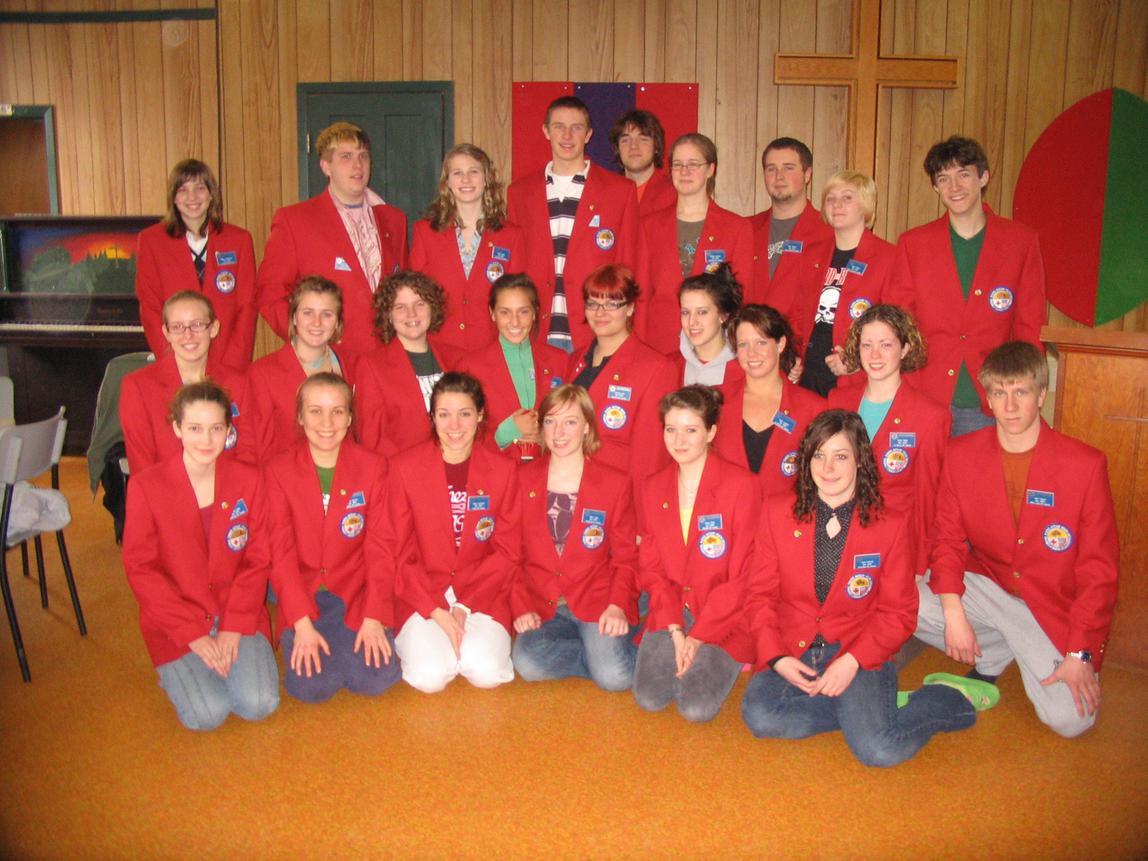
- Rotary blazer and t-shirt for the student
- CSRYE administrative fee
- District 6330 RYE Committee operating expenses
- A small monthly stipend while the student is on exchange (approximately equivalent to the buying power of $100 USD)
- Room and board while on exchange (provided by the host family)
- Fees charged by your own family doctor, dentist, etc. for exams, forms, letters
- Costs and fees for passports, visas and related travel, courier, documents, certificates, etc.
- Student and parent travel to and from training conferences (we encourage and facilitiate ride-sharing)
- Student and parent travel to and from airports, parking, etc. at beginning and end of exchange
- Late or cancellation fees or fines charged by CSRYE, travel (eg. change dates/early return), insurance agencies, etc.
- Language camp fees and/or school uniforms as might be required in some countries
- Students' extra excursions, trips and tours in host country while on exchange
- Students' casual spending (including cell phone plans) while on exchange
Hosting is not required, but strongly encouraged. An exchange is made between Rotary organizations here and abroad with our students going abroad and their students coming here. A Rotary Club that sponsors students from its community to go abroad also hosts foreign students in exchange. Ideally, parents of outbound students will host a foreign exchange student for a part of the year and help the Rotary Club to identify at least 2 other host families that will be approved by the club. An additional benefit of hosting is the perspective it will give you and your family to serve in a hosting role, so they can better understand what it’s like while you are abroad.
Some high schools will give you credits for the classes you take while on exchange. However, it depends on your school system and the foreign school. To get credit, you'll need to make arrangements with your school before your begin your exchange.
Although Rotary International provides certification and guidelines to local Rotary Youth Exchange programs, Rotary districts and clubs will have their own additional, specific rules for students to follow based on the local customs and culture. Students accepted into the program sign and agree to abide by a list of program rules at the time of application and prior to their departure from home. While the hosting Rotary Club will discuss all program rules with you, you and your parents may wish to review the program rules on your application form to be sure that everyone has a clear understanding of what is expected. Basic program rules consist of common-sense stipulations, such as no drinking, no use of drugs, no driving of any type of motorized vehicles, no serious dating, and the need to obtain special permission for travel while on the exchange.
- Complete our Preliminary Application.
- Your local Rotary Club will interview you.
- September - October: If the local Rotary Club decides to sponsor you, you'll then begin working on the CSRYE Application. This is a lengthy, in-depth application that requires a lot of information and signatures that will require dedication, attention to detail, and organization on your part (we're sending you away without your family for a year, so we need to make sure all the i's are dotted and the t's are crossed!).
- November: Attend the District Interview Conference where a panel of Rotarians and past exchange students will interview you and your parents/guardians to make sure the Rotary Youth Program is a good fit.
- Early January: Find out which country you've been assigned to!
- January - July: Attend three weekend-long, in-person training conferences, as well as monthly online training sessions.
- July/August: Leave for your exchange year!
FREQUENTLY ASKED QUESTIONS FOR PROSPECTIVE HOST FAMILIES
About Hosting
What does it actually mean to host a Rotary Youth Exchange student?
Hosting means welcoming a 15–18-year-old from another country into your home as a member of the family for a few months. They share your meals, your routines, and your everyday life — they're not a guest, they're a temporary son or daughter.
How long do we host the student for?
Each host family typically hosts for two to four months. Most students have three host families during their exchange year, so you're sharing the experience with other families in your local Rotary club.
When do students arrive and leave?
Inbound students typically arrive in late summer (August) and return home the following summer (June or July).
Do we have to host the student for the entire year?
No. The student moves between host families throughout the year so multiple families can share the experience and the student gets exposure to different parts of life in our community.
Becoming a Host Family
Do I need to be a Rotarian to host?
No. You don't need to be a Rotarian or have any prior connection to Rotary. Anyone in the community who's open to welcoming a young person into their home can apply.
What kinds of families can host?
All kinds: couples, singles, families with young children, families with teenagers, empty nesters, multi-generational households—every family configuration can bring something valuable to a student's exchange!
What's the application process?
Becoming an approved host family is straightforward, but it does take a few steps:
- A short online host family application
- Two reference checks (your references complete a quick online form)
- Two short online training courses through NAYEN — about an hour each
- A Police Vulnerable Sector Check for each adult living in the home
- A brief home visit by a member of the local Rotary club's Youth Exchange Committee
How long does the approval process take?
Most of the steps are quick, but the Police Vulnerable Sector Check can take several weeks (sometimes longer), so we recommend starting early.
Do all adults in our home need a Police Vulnerable Sector Check?
Yes. Every adult (18 or older) who will be living in the home while the student is also living there needs a negative Police Vulnerable Sector Check on file. Adult children who only visit occasionally are not required to have one.
Day-to-Day Expectations
What's expected of us as a host family?
The heart of hosting is simple: treat the student like a family member, not a guest. Include them in your routines, your meals, your weekend plans, and your everyday life. The student is expected to fit into your family's rhythm — not the other way around.
Where does the student sleep?
The student needs their own bedroom in your home—they cannot share a bedroom with a host sibling.
Do we get paid to host?
No. Hosting is voluntary, and host families are not paid or reimbursed. The reward is the experience itself: the relationship you build with the student, and the new perspectives they bring into your home.
What costs are we expected to cover?
As a general rule, if you'd cover something for your own child, you'd cover it for your student too — meals, household basics, family outings, that kind of thing. The student covers their own personal spending and any optional travel or extras.
Do we need to give the student an allowance?
Each Rotary club gives the student a small monthly allowance (usually ~$125 CAD), so you don't need to provide spending money. Students may also bring some of their own money from home.
What about flights, school, and insurance?
Those are all covered by the student's program fees and Rotary — not by host families. Students arrive with health and liability insurance through Rotary, and tuition at the local high school is provided.
Can the student travel during their exchange?
Yes, but only with approval. Rotary has a clear travel policy that requires permission from host parents, the local Youth Exchange Officer, and the District depending on where and how long the trip is. Students cannot travel on their own.
What if our family needs a short break from hosting?
That's normal and expected. Other Rotarians in the host club can help by spending time with the student — taking them out for a day, a weekend, or hosting them temporarily — so your family can have some space if needed.
About the Student
Where do students come from?
Students come from over 100 countries through Rotary's global exchange network. We typically host students from Europe, Latin America, and Asia.
Will the student speak English?
English ability varies. Some students arrive fluent, others arrive with very basic English. All students are expected to make a serious effort to learn and improve — and host families help by spending time together, having conversations, and gently correcting mistakes.
Does the student go to school?
Yes. Students attend the local high school full-time as part of their exchange. They're here on a study permit and school attendance is required.
What rules do students follow?
Rotary students agree to follow a clear set of rules, often called the "6 Ds": no drinking, no drugs, no driving, no dating, no disfigurements (tattoos, piercings, drastic hair changes), and no digital disrespect. Host families are welcome to set additional house rules within reason.
Are students expected to attend Rotary meetings?
Yes. Students attend their host club's meetings and several youth exchange conferences throughout the year. These are an important part of the program.
Can the student communicate with their family back home?
Yes, but we expect the students to limit their communication with home so they can can fully engage with their exchange experience. We encourage a regular but short check-in schedule rather than constant contact.
Support & Safety
Who supports us during the exchange?
Two volunteers from your local Rotary club: the Youth Exchange Officer (YEO), who acts like a parent and handles official matters, and the Youth Exchange Counsellor (YEC), who's more like a trusted aunt or uncle — someone the student can talk to. Both are available for questions and concerns throughout the exchange.
Does the student have health insurance?
Yes. All inbound students have health and liability insurance through Rotary. There's no deductible or co-pay, and students can be treated by any provider.
What if there's a problem we can't handle?
Reach out to your local YEO first. If something more serious comes up, the District 6330 Inbound Coordinator and District Chair are available to help. Rotary also has a Crisis Management Plan for the rare situations that need extra coordination.
What's the First Night Questionnaire?
It's a simple tool we give every host family and student. On the first night (and again a few days later), you walk through it together — covering household routines, meal preferences, expectations, and small details that are easy to assume but better to clarify. It helps the student settle in faster and prevents misunderstandings.
How do I get started?
Reach out to your local Rotary club's Youth Exchange Officer, or contact the D6330 Inbound Coordinator. We'd love to hear from you!
FREQUENTLY ASKED QUESTIONS FOR CLUBS & ROTARIANS
My club is interested in getting involved in the program. What is the cost?
That's fantastic! Clubs are not required to pay a fee to sponsor an Outbound student (i.e., a student from D6330 going abroad).
The fee for clubs to host an Inbound student (i.e., a student from abroad who will do their exchange in D6330), the fee for clubs participating in the program in the 2027-2028 Rotary/academic year is CAD $1800.
My club wants to host an Inbound student or sponsor an Outbound student. How quickly can we get involved?
The short answer is… it depends what time of year it is when you inquire. For Inbound students, due to the complex nature of the country-to-country and district-to-district relationships required to execute this program, we work many months in advance. Reach out to us at districtchair@rye6330.org to get more information on this.
District 6330 is also a member of NAYEN (North American Youth Exchange Network), which empowers Rotary leaders and host communities in 167 districts in Canada, Mexico, and the United States to create transformative exchange experiences that promote cultural understanding, foster global citizenship, and build a more peaceful world. They provide support to every Rotary District in North America, fostering meaningful connections and promoting cultural exchange to build a brighter, more interconnected world that promotes peace and unity. To learn more about NAYEN, please visit https://nayen.org/.
Rotary's Statement on Diversity, Equity, and Inclusion
At Rotary, we believe that creating a culture of belonging is essential to who we are. Our strength comes from the connections we build, the respect we show, and the opportunities we create so that everyone can thrive. Belonging, engagement, and accessibility are at the heart of how we grow together and create lasting change.
Everyone is welcome in Rotary. Program like Rotary Youth Exchange make the clubs and communities more diverse, equitable, and inclusive
Rotary's diversity, equity, and inclusion statement, first adopted in 2019 and strengthened in 2021, remains a foundation for the evolution of our commitment:
At Rotary, we understand that cultivating a diverse, equitable, and inclusive culture is essential to realizing our vision of a world where people unite and take action to create lasting change.
We value diversity and celebrate the contributions of people of all backgrounds, across age, ethnicity, race, color, disability, learning style, religion, faith, socioeconomic status, culture, marital status, languages spoken, sex, sexual orientation, and gender identity as well as differences in ideas, thoughts, values, and beliefs.
Recognizing that individuals from certain groups have historically experienced barriers to membership, participation, and leadership, we commit to advancing equity in all aspects of Rotary, including in our community partnerships, so that each person has the necessary access to resources, opportunities, networks, and support to thrive.
We believe that all people hold visible and invisible qualities that inherently make them unique, and we strive to create an inclusive culture where each person knows they are valued and belong.
In line with our value of integrity, we are committed to being honest and transparent about where we are in our DEI journey as an organization, and to continuing to learn and do better.
You can read more about Rotary International's commitment to DEI here.